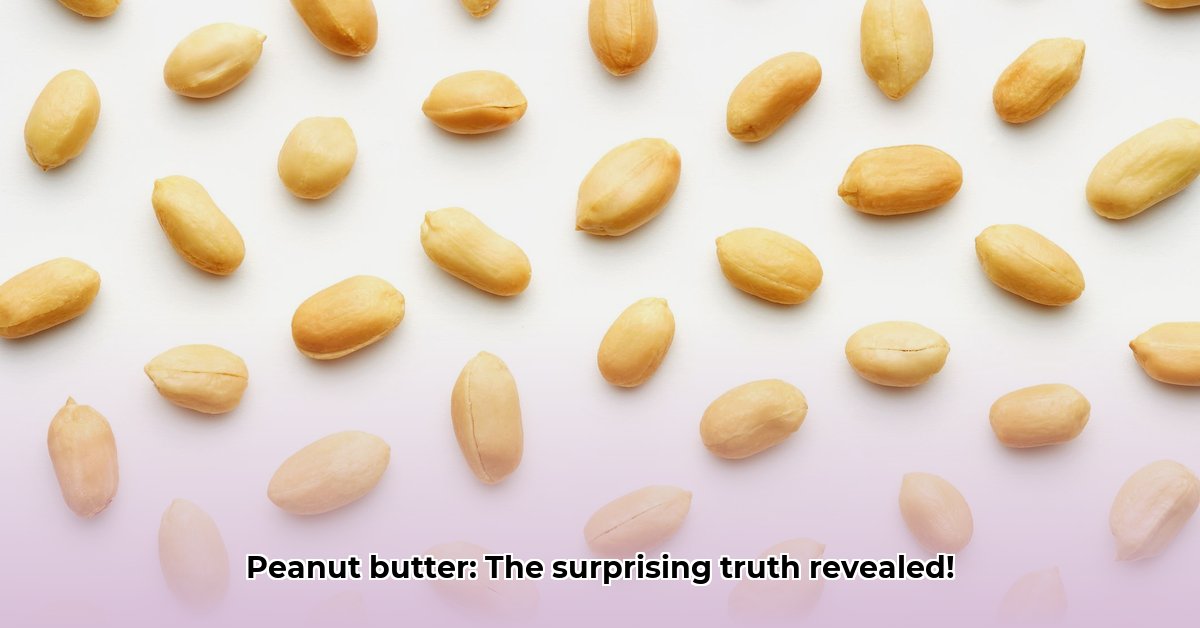
From Peanut to Pot: The Journey of Peanut Oil
So, you want to know what that oily liquid made from peanuts is? It's peanut oil, a versatile and delicious ingredient found in kitchens across South Africa and the globe. But the journey from humble peanut to golden oil is far more complex than simply pressing a few nuts. This guide provides a comprehensive overview of peanut oil production, highlighting sustainable practices at each stage.
The Peanut's Path: From Field to Factory
The story begins with the peanut plant itself. Farmers carefully cultivate these legumes, employing methods that ensure a healthy crop while minimizing environmental impact. Harvesting is crucial – peanuts need to be carefully dug up and dried to prevent spoilage before processing. But how do we get that precious oil out?
1. Mechanical Pressing: The Traditional Approach
This method, reminiscent of old-fashioned oil pressing, uses heavy machinery to physically crush and squeeze the peanuts, extracting the oil. While slower than other methods, it often yields a superior product, richer in flavour and with a higher quality. Think of it as the artisanal approach – slightly more labour-intensive, but rewarding in terms of taste and quality.
2. Solvent Extraction: A Modern Marvel
Solvent extraction uses solvents (like hexane, which is carefully removed later) to dissolve the oil from the peanuts. This method is highly efficient, extracting nearly all the oil, making it cost-effective for large-scale production. Stringent regulations ensure all solvent residue is removed before the oil is deemed safe for consumption.
Isn't it fascinating how different techniques yield the same end product? Which method is more efficient in terms of energy consumption? Further research into the energy footprints of each method would be beneficial.
Refining the Raw Material: From Crude to Culinary
Regardless of the extraction method, raw peanut oil needs refinement. This multi-step process ensures a stable, high-quality product:
- Degumming: Removing gummy impurities. Think of it as a thorough cleaning!
- Neutralization: Eliminating free fatty acids, enhancing the oil's stability, and preventing rancidity.
- Bleaching: Lightening the colour to achieve that characteristic golden hue.
- Deodorization: Removing any unwanted smells, leaving behind a pure aroma.
This refining process is similar for many different edible oils, ensuring a consistent product quality that meets consumer expectations. What regulations control the refining process in South Africa to ensure food safety?
The Nutritional Powerhouse: Benefits Beyond Taste
Peanut oil isn't just delicious; it offers significant nutritional benefits. It's a good source of monounsaturated and polyunsaturated fats – the "good" fats, contributing to heart health as part of a balanced diet. It's also rich in Vitamin E, a powerful antioxidant. However, moderation is key, even with healthy fats.
How does the nutritional profile of peanut oil compare to other cooking oils commonly used in South African cuisine? A comparative analysis could provide valuable information to consumers.
Sustainable Practices: Protecting Our Planet, One Peanut at a Time
Sustainable peanut oil production isn't just a trend; it's a necessity. We must consider the environmental impact at every stage:
Sustainable Farming: Nurturing Nature
- Water-wise irrigation: Techniques like drip irrigation minimize water waste and runoff.
- Integrated Pest Management (IPM): Reducing reliance on harmful chemical pesticides through biological controls and other sustainable strategies.
- Crop rotation: Improves soil health and reduces the need for chemical fertilizers.
- Biodiversity enhancement: Encouraging diverse plant and insect life around peanut fields contributes to a healthier ecosystem.
What are the most effective IPM strategies for peanut cultivation in various South African climates? Further investigation into regionally appropriate methods would be helpful.
Sustainable Processing: Minimizing Waste, Maximizing Efficiency
- Energy-efficient extraction: Utilizing methods that minimize energy consumption throughout the process.
- Waste reduction: Innovative strategies to recycle by-products such as peanut hulls for biofuel or animal feed, effectively closing the loop.
- Eco-friendly packaging: Choosing sustainable materials for packaging to reduce waste.
Dr. Nomusa Nxumalo, Agricultural Scientist at the University of Stellenbosch, emphasizes, "The adoption of sustainable practices isn’t just environmentally responsible; it's economically sensible. Reduced water and pesticide use leads to lower operating costs for farmers."
Actionable Steps for Sustainable Peanut Oil Production
For Farmers:
- Implement water-efficient irrigation techniques (90% water saving potential with drip irrigation).
- Adopt crop rotation to enhance soil fertility (reducing fertilizer use by 25%).
- Use IPM for pest control (reducing pesticide use by 50%).
- Consider organic certification to show your commitment to sustainability.
For Processors:
- Prioritize cold-pressed extraction methods (reduced energy consumption by 30%).
- Implement waste reduction and recycling programs (reducing waste by 70%).
- Optimize energy use in processing plants.
- Source peanuts from certified sustainable farms.
For Consumers:
- Choose peanut oil from brands committed to sustainable practices. Look for verified certifications.
- Minimize waste by buying only what you need and storing the oil correctly.
- Support companies that actively promote sustainable initiatives.
By working together at every stage of the process, we can ensure the continued enjoyment of this valuable product while protecting our environment. The future of peanut oil is bright, but only if we actively embrace sustainable practices.